When we think about protecting America’s public lands, we usually think about saving scenic views, rescuing endangered wildlife, or preserving pristine hiking trails. We rarely think about it as a matter of life or death for our children.
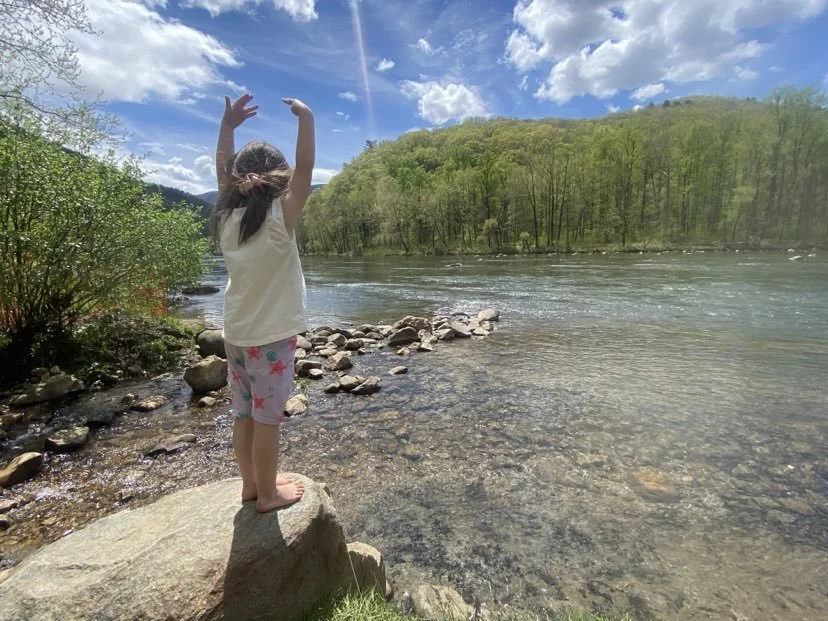
As a public health researcher focusing on the heartbreaking crisis of youth suicide in the U.S., particularly among adolescent girls aged 10 to 17, I believe we need a fundamental shift in perspective. To save our young people, we must bridge the gap between healthcare and the great outdoors. Our public lands are not just a luxury; they are a vital public health intervention.
The Reality of the Crisis
The statistics surrounding our youth are a devastating wake-up call:
Suicide stands as the second leading cause of death for young people ages 10 to 24 across the United States.
When looking at how these tragedies occur, firearms lead as the primary mechanism of death, even as suicide remains the second leading intent.
Historically, our system has treated suicide strictly as a "downstream" issue, meaning we wait to intervene until a young person is already in the middle of a severe mental health crisis.
Thankfully, the medical world is starting to shift toward "upstream" prevention. For example, through collaborations like the Zero Suicide model, pediatricians and emergency rooms are starting to use universal screening tools to catch early warning signs before a crisis hits.
But we can go even further upstream. We can look at the environments where our children live, grow, and play.
The Healing Power of the Outdoors
This is where our environment meets medical science. On a macro-level, adopting a global "One Health" approach reminds us that human health is deeply connected to the health of the natural world around us.
Championing environmental policies, like expanding rural green spaces and protecting federal public lands, is a direct investment in youth mental health. Nature acts as a natural buffer against psychological distress.
We already have a fantastic, successful blueprint for this: the Every Kid Outdoors program. By eliminating the financial barrier to state and national parks for fourth graders and their families, this initiative does much more than provide a fun day trip. From a population health perspective, it directly strengthens family connectedness.
Why Nature Works
Time spent together in nature provides critical protection for vulnerable youth by delivering three distinct benefits:
Fosters deep family connectedness, which is a powerful, modifiable protective factor against depression.
Lowers ecological and day-to-day stress while building psychological resilience.
Increases opportunities for physical activity, which naturally boosts mood and mitigates suicidal behaviors.
Overcoming the Systemic Divide
If the benefits of nature are so clear, why aren't doctors prescribing park passes alongside therapy? The truth is that integrating public health initiatives with traditional healthcare faces massive structural barriers:
Financial roadblocks: Traditional healthcare operates on a fee-for-service model that profits off treating sick patients rather than funding preventative wellness. Meanwhile, public health initiatives are crippled by short-term, unpredictable federal grant cycles.
Workforce and digital shortages: Rural communities face severe shortages of mental health workers, inadequate clinical training, and digital inequities that block access to telemedicine.
Fragmented data: Disconnected communication between private clinics, schools, and health databases leads to massive underreporting and miscoded suicide data.
Cultural gaps: Standardized screening tools are often rigid and fail to use a multicultural lens, ignoring deep-seated historical medical mistrust and unique rural stressors like visual cyberbullying.
A Call for Collective Action
Resolving these systemic gaps in policy and infrastructure is essential to designing future data-driven, evidence-backed intervention strategies. Protecting public lands isn't just an environmental issue, it is an upstream public health imperative. By protecting our natural spaces, we build stronger paths to implementation for mental health programming, foster long-term collective health equity, and ultimately keep our children and families safe.
Action Item: Our friends at Protect Our Winters have organized an easy template to support science-based safeguards and rebuild the EPA’s ability to protect people and the planet- https://campaigns.civiclick.com/331953fe-62dc-4ba1-9373-3ca5e820158a?action=Email
“The Environmental Health Restoration Act (EHRA) offers a path forward. It would restore science-based safeguards, strengthen enforcement, hold polluters accountable, and rebuild the EPA’s ability to protect people and the planet. Tell Congress to support the EHRA and defend the future of the Outdoor State.”
